Pathogens Core
Tick Borne Pathogens Screening (TBPS)
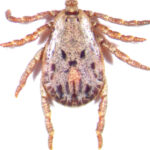
Ticks are natural hosts of pathogens, serving as both reservoirs and vectors. Tick-borne pathogens can be passed to humans and pets by the bite of infected ticks. According to the Centers for Disease Control (CDC), some of the most common tick-borne diseases in the United States include: Lyme disease, babesiosis, ehrlichiosis (human and canine), tularemia and human granulocytic anaplasmosis (HGA). Studies indicate that Lyme disease, the prominent tick-borne disease in United States with approximately 300,000 infections each year, costs approximately $1.3 billion each year in direct medical costs alone in the United States.
Outdoor workers, enthusiasts, pet owners and their pets could be at in danger from exposure to tick-borne diseases. Worksites, play grounds and hiking paths with woods, bushes, high grass, or leaf litter are likely to have more ticks. According to the CDC, people taking part in outdoor activities in most regions of the United States should be extra careful to protect themselves in the spring, summer, and fall when ticks are most active. Ticks may be active all year in some regions with warmer weather.
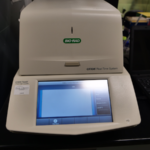
Early identification and medical intervention can significantly reduce the negative effects from tick-borne diseases. If you have been bitten, or suspect you may have been, you can send the tick to Oak Crest Institute of Science’s Tick Borne Pathogen Screening (TBPS). TBPS can provide individuals with affordable and timely information as to whether a tick they have encountered is an infected or uninfected tick. TBPS can identify common tick-borne pathogens within a tick, including Borrelia burgdorferi (Lyme disease), Babesia microti (babesiosis), Ehrlichia chaffeensis (human monocytic ehrlichiosis), Ehrlichia canis (most commonly affecting canines), Francisella tularensis (Tularemia) and Anaplasma phagocytophilum (HGA). Once we receive your tick specimen, results will be available within 72hrs. Our screening methods are based on a sensitive and reliable molecular biology technique, Polymerase Chain Reaction (PCR).
TBPS is not intended to be used as a human diagnostic tool. Your local Public Health office will be able to help with such inquiries.